News

Auction vs Private Sale: Which Is Better for Sellers

Auction vs Private Sale: Which Is Better for Sellers

Auction vs Private Sale: Which Is Better for Sellers Most sellers don’t start with a strategy. They start with a situation. Retiring. Cleaning out equipment. Selling land. Moving on from something that no longer fits. Then the question shows up. Auction or private sale. What Happens When You Go the Auction Route Everything builds toward one moment. Equipment is listed. Buyers start watching. Calls come in. Questions get asked. Interest either grows or it doesn’t. By the time auction day shows up, most of the real work is already done. Buyers know what they’re after. They’ve looked at similar sale prices. They’ve decided what it’s worth to them. Then it moves fast. Bidding starts. It climbs. Sometimes quickly, sometimes slower than expected. But once it starts, there’s no pause. No waiting to see what happens next week. It ends when the bidding stops. What Happens in a Private Sale Instead Private sales stretch things out. A price gets set. Or at least a number close to it. Buyers come through one at a time. Some are serious. Some are not. Some circle back. Some disappear. Conversations happen in pieces. There’s room to negotiate, but also room for hesitation. A buyer might like the equipment, but not enough to act right away. They may want to see what else comes up.  They may come back with a lower number later. Or not at all. Where the Price Actually Gets Decided This is where auction vs private sale really separates. In a private sale, the price is shaped by conversation. In an auction, the price is shaped by pressure. Two buyers want the same piece of equipment. One raises. The other responds. That continues until one stops. That moment decides the number. Not a listing price. Not a guess. Not a negotiation. Just demand. Timing Changes Everything Auctions move toward a date. Everything builds into that window. Marketing, interest, attention. It all concentrates. Private sales don’t have that. They stay open. Which can be helpful, or it can drag things out. Some equipment sells quickly. Some sits longer than expected. It depends on who shows up and when. How Buyers Act in Each Situation Buyers don’t behave the same in both environments. At auction, they show up ready. They’ve already done the work. They know their maximum bid before it starts. In private sales, they take their time. They compare. They wait. They revisit. That difference alone changes how deals come together. What Most Sellers Notice After the Fact It usually becomes clear after everything is over. Auction creates a moment. Private sale creates a process. One forces decisions. The other allows them to develop over time. Both can work. But they don’t feel the same while they’re happening, and they don’t produce results the same way either. Where the Right Choice Comes From It’s not about which option is better in general. It’s about what the seller needs. If timing matters, auctions make sense. If flexibility matters, private sales make sense. Everything else builds from that.Read More
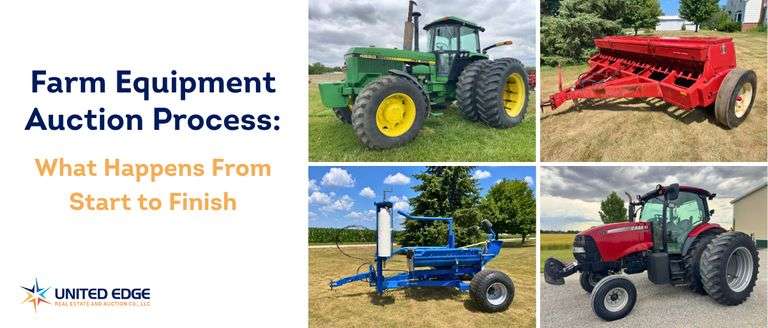
Farm Equipment Auction Process: What Happens From Start to Finish

Farm Equipment Auction Process: What Happens From Start to Finish

Farm Equipment Auction Process: What Happens From Start to Finish The farm equipment auction process is not complicated, but it does move fast. Most equipment ends up at auction for a reason. Retirement, downsizing, or simply clearing out machinery that is no longer being used. Auctions bring everything together in one place and let the market decide what that equipment is worth. What matters is how the process actually plays out once equipment is committed to a sale. How the Farm Equipment Auction Process Starts Everything begins with the equipment itself. Auction houses take inventory, document conditions, and gather details that potential buyers care about. That includes make, model, hours, attachments, and service histories. Condition matters, but presentation matters just as much. Clean equipment with clear information will always draw more attention than something that looks neglected or uncertain. At this stage, conversations around reserve price or selling absolute take place. Some sellers want protection. Others want movement and are willing to let competitive bidding take over. Where Interest Is Built Before Auction Day The farm equipment auction process does not start on auction day. It starts well before that. Auction companies push listings out through: Buyer networks Online auctions platforms Email lists Social media This is where potential buyers first engage with the equipment. Photos, descriptions, and past sale prices all play a role. Buyers compare listings. They look for machines that are ready to work or priced in a way that makes sense. The more attention a piece of equipment gets before auction day, the more activity it usually sees once bidding starts. What Happens During Live and Online Auctions By the time auction day arrives, most buyers already know what they are watching. Some auctions are live. Some are online. Many are a mix of both. Live auctions bring energy. Equipment is sold one piece at a time, and the pace moves quickly. Bidders react in real time, and competitive bidding builds as interest increases. Online auctions stretch that process out. Buyers can place bids over time, sometimes with a maximum bid already set. The system handles increments automatically until someone steps in higher. In both cases, the result is the same. The equipment sells when bidding stops. How Competitive Bidding Impacts Sale Prices The entire farm equipment auction process is built around competition. When multiple buyers want the same tractor, combine, or implement, the price moves. Not because of negotiation, but because each buyer sees value in owning it. This is where auctions offer something different from private sales. Instead of one buyer making an offer, several buyers are forced to act at the same time. That pressure often leads to stronger sale prices, especially for well maintained equipment. What Buyers Pay Attention To Buyers are not guessing when they bid. They look at: Service histories Hours of use Overall condition Comparable sale prices They also pay attention to how the equipment has been presented. Clear listings build confidence. Missing details create hesitation. In the farm equipment auction process, confidence usually leads to stronger bidding. What Happens After the Equipment Sells Once bidding ends, things move quickly. The winning bidder is responsible for payment based on the auction terms. After that, equipment is picked up or transported. For sellers, the process is direct. Payment is issued once the transaction is completed, minus any agreed fees with the auction company. There is no extended negotiation after the fact. The deal is done when the bidding stops. Why Auctions Continue to Be Used for Farm Equipment There is a reason auctions remain a common choice for selling your farm equipment. They bring: A defined timeline Access to a wide group of potential buyers A transparent auction process A clear outcome based on demand For many, it is simply the most efficient way to move equipment and convert it into cash. Where the Right Auction Company Makes a Difference Not all auction houses operate the same way. Marketing, buyer reach, and how equipment is positioned all affect the outcome. A reputable auction company understands: What buyers are looking for How to present equipment correctly How to create momentum leading into auction day That difference shows up in participation and, ultimately, in results. Final Thoughts on the Farm Equipment Auction Process The farm equipment auction process is built around timing, visibility, and competition. When those three things line up, equipment moves and buyers respond. For sellers, it comes down to understanding how the process works and putting equipment in the right environment to perform.Read More

Financing Property or Equipment in an Auction

Financing Property or Equipment in an Auction

Financing Property or Equipment in an Auction: What Buyers Need to Know Before They Bid One of the most common questions that comes up around auctions is simple. Can you actually finance property or equipment bought at auction? The short answer is yes. The reality is a little more specific than that. Financing is possible, but auctions do not wait on it the way private sales sometimes do. That difference is what trips people up if they are not prepared going in. Why Financing Feels Different at Auction In a traditional sale, financing is often part of the process after an offer is accepted. At auction, the timeline is reversed. Bidding happens first. Payment follows quickly after. In many cases, buyers are expected to complete the purchase within a set number of days based on the auction’s terms and conditions. That means financing is not something you figure out after the fact. It needs to be in place before you raise your hand or place a bid online. How Buyers Finance Auction Property and Equipment There are a few ways buyers approach financing depending on what they are purchasing. For equipment, lenders often offer: Equipment loans Leasing options Auction lines of credit For property, the approach may include: Traditional real estate financing Land loans Short term financing with plans to refinance The key difference is timing. Approval usually needs to happen ahead of the auction, not after. Some buyers work directly with lenders who understand auctions. Others line up funding through their existing bank relationships. Either way, the preparation happens before bidding starts. What the Terms and Conditions Actually Mean for Financing Every auction has its own terms and conditions, and this is where financing either works or creates problems. Most auctions outline: How quickly payment is due What type of deposit is required Whether there are any contingencies In many cases, there are no financing contingencies at all. When the bidding ends, the buyer is expected to follow through regardless of how they plan to fund the purchase. That is why reviewing the terms ahead of time matters. It is not just fine print. It defines how the transaction moves once the auction closes. Where Buyers Run Into Trouble Financing itself is not the issue. Timing is. A buyer wins the bid, then starts looking for funding. By the time approvals are in motion, the payment window is already closing. That creates pressure that could have been avoided. Another common situation is assuming traditional financing timelines apply. They usually do not. Auctions move faster, and lenders need to be aligned with that pace. Where Financing Works Well in Auctions When buyers come prepared, financing fits into the process without much friction. This usually looks like: Pre-approval already in place A clear budget before bidding starts Understanding of payment deadlines For equipment, this is especially common. Many lenders are used to working with auction purchases and can move quickly when everything is lined up. For property, it may require a little more planning depending on the type of land or asset being purchased. Why Some Buyers Still Choose Auctions Even with Financing Even with tighter timelines, auctions still attract buyers who plan to finance. The reason is access. Auctions bring inventory together that may not show up through traditional listings. Equipment, land, and other assets move through auctions regularly, and buyers who want those opportunities adapt to the process. Financing becomes part of the preparation, not a barrier. What to Think About Before Bidding Before stepping into an auction with financing in mind, a few things should already be clear. Know what you are approved for. Know how quickly your lender can fund. Know the payment expectations tied to the auction. Once those pieces are in place, bidding becomes a decision about value, not a scramble to make the deal work afterward. Where This All Lands You can finance property or equipment in an auction. That part is not the issue. The difference is how early that decision needs to be made. Auctions reward preparation. Buyers who walk in ready tend to move through the process without problems. Buyers who wait until after the sale often find themselves working against the clock. That is the part that matters.Read More

Consign Items to Auction: What Sellers Should Know Before They Do

Consign Items to Auction: What Sellers Should Know Before They Do

Consign Items to Auction: What Sellers Should Know Before They Do Most people don’t plan on consigning items. It usually comes up when something needs to be moved, whether that is equipment that is no longer being used, an estate that needs to be settled, or a collection that has outgrown the space it’s in. At that point, the decision becomes practical. You can try to sell everything one piece at a time, or you can consign items to auction and let the process handle it all at once. For many sellers, it is less about theory and more about what actually works in their situation. What It Means to Consign Items to Auction Consigning items means you are working with an auction company to sell on your behalf. You still own the items until they sell, but the responsibility of marketing, listing, and managing buyers shifts to the auction house. Your items are grouped into a consignment auction along with other sellers. That is an important part of how the process works. Instead of trying to draw attention to one item at a time, the auction creates a larger event that attracts more buyers overall. That combined interest is what drives activity. Why Consignment Auctions Attract Buyers Buyers do not usually show up for just one item. They show up because there is enough inventory to make it worth their time. A consignment auction brings together different types of auction items, from equipment and tools to vehicles and collections. That variety pulls in a broader group of buyers, and that overlap increases the chances that items sell. Someone might come for one piece of equipment and end up bidding on something else entirely. That dynamic is difficult to replicate in a private sale. Once items are consigned, the process shifts away from the seller. Instead of fielding calls, answering questions, and negotiating, the focus becomes visibility. The auction company handles photography, listings, and promotion. Buyers begin reviewing items ahead of the auction, and interest builds over time. Some items get attention right away, especially if they are common or in strong condition. Others may not pick up until bidding begins. That part can vary, but the overall structure stays consistent. Everything is working toward a defined sale. How Pricing Works in a Consignment Auction Pricing feels different in this setting because it is not fixed ahead of time. There may be a starting bid, and in some cases a reserve, but the final number comes from buyer activity. Instead of negotiating with one person, you are placing the item in front of multiple buyers at once. That shift matters. In a private sale, the price is shaped by conversation. In a consignment auction, it is shaped by competition. Buyers respond to each other, and the value becomes clear in real time. What Impacts Whether Items Sell Well Even in a strong auction environment, not all items perform the same. Condition plays a role, but presentation is just as important. Clear photos, accurate descriptions, and complete information give buyers confidence. When buyers feel confident, they are more willing to bid. Type of item also matters. Well-maintained farm equipment, commonly used tools, and items with clear utility tend to draw consistent interest. More specialized items can still perform well, but they depend more on having the right buyer in the mix. Where Consignment Makes the Most Sense Consignment is often the right fit when there are multiple items to sell or when managing individual sales becomes too time-consuming. Estate situations are a common example. So are partial liquidations or transitions where equipment needs to be cleared without stretching the process out over months. It also makes sense when sellers want to avoid ongoing negotiations and prefer a more structured environment. What Sellers Take Away From the Process After the sale, most sellers come back to the same thing. The process was straightforward, and everything moved through one channel. Consignment removes a lot of the back and forth that comes with private sales. It also requires a level of comfort with how pricing is determined, since the outcome depends on buyer activity rather than a set number. For many, that tradeoff is worth it. What It Comes Down To Consigning items is less about finding the perfect way to sell and more about choosing an approach that matches the situation. When the goal is to move items efficiently and get them in front of real buyers, consignment auctions tend to do exactly that.Read More

How to Determine if Your Farm Toy Collection is Valuable

How to Determine if Your Farm Toy Collection is Valuable

Farm toys have a way of sticking around. For some, they hold childhood memories like tractors pushed through carpet “fields” on winter afternoons. For others, toys became serious collectibles over time, with limited editions, detailed replicas, and pristine-in-box models carefully preserved for decades. You may have a box or two tucked in the corner of a shop office. Maybe there’s an entire collection lined up on basement shelves, passed down from a parent. Or perhaps it’s several toys carefully packed away after the kids grew up. Regardless of the size or type of collection, the question many owners eventually ask is: “ Do I actually have something valuable here? ” What Makes a Farm Toy Collection Valuable? Farm toy market value can change over time. Here are a few ways to gauge worth: Brand and manufacturer . Well-known brands like Ertl and SpecCast consistently attract collector interest. Scale and detail . 1/16 and 1/64 are especially popular with collectors. Rarity and age. Older farm toys or limited-production models tend to bring stronger bids. Condition. Pristine condition, especially with original packaging and paperwork, can significantly increase value. Certain models tied to specific dealers, farm shows, anniversaries, or short production runs can generate particularly strong interest at auction. Research and Compare Value  Another way to determine the value of your farm toys is to evaluate farm toy auctions and compare what is selling. Here are some tips for finding farm toy auctions . Looking at completed auctions, and not just asking prices, gives a more realistic view of demand amongst today’s buyers. Pay attention to: Final sale prices Condition of similar pieces How collections were grouped (individual lots vs. boxed sets) Whether certain brands consistently outperform others Are They More Valuable as a Collection or Piece by Piece? Some collections perform best when sold in individual lots, especially if they contain rare or highly sought-after models. Others benefit from being grouped by brand, scale, or theme. We’ve seen common toys perform well when presented as part of a larger, cohesive collection.  A thoughtful auction strategy can make a significant difference in final results. The goal is to present the toys or collection in a way that attracts the right buyers and creates competitive bidding. Today’s buyers are often online, and competitive bidding can come from across the country for your valuable farm toys. Before assuming your shelves hold “just toys,” it may be worth a second look.  About United Edge Real Estate & Auction Co., LLC United Edge Real Estate & Auction Co., LLC is a full-service auction and real estate company based in Edgerton, Ohio. Founded in 2018, the team brings decades of combined experience working with a wide range of asset types, including farm toys and collectibles, farm equipment, agricultural and recreational land, residential real estate, commercial property, and other high-value assets. With one trusted team and a straightforward process, United Edge focuses on careful preparation, clear communication, and auctions that respect both the items being sold and the people bidding on them. Explore upcoming opportunities, learn more about the auction process, or contact our team to determine whether the auction method is the right fit for you. Read More

Is It Time to Downsize Your Dad’s Shop? Signs It’s Time and How to Start

Is It Time to Downsize Your Dad’s Shop? Signs It’s Time and How to Start

There’s a quiet that settles into a shop after a parent’s or grandparent’s tools stop being used every day. The shelves are lined with carefully saved “just in case” parts. The workbench still holds half-finished projects. The drawers are full of tools collected over decades. But how do you know for sure that it is time to downsize? 1. The Space Isn’t Serving Its Original Purpose If the shop, shed, or garage hasn’t been actively used in years, it may be time to evaluate what stays and what goes. Tools, equipment, hardware, and collections that once supported daily work can quietly turn into stored inventory. Downsizing doesn’t mean erasing history. Downsizing a space means you can transition it into something new. 2. The Volume Feels Overwhelming Clearing off work surfaces and grouping similar items helps you see what’s really there. When everything is piled together, it’s hard to understand value or volume. Once organized, most families are surprised by how much has accumulated. From there, take inventory carefully. Make note of tools, equipment, and materials, and don’t forget to write down stories or unique details tied to certain items. Sometimes, collectors’ items may have been tucked away and are often overlooked but may carry significant value. 3. Your Family is Facing a Life Transition Major transitions, like retirement, moving closer to town, settling an estate, or health changes, are often the natural point to evaluate personal property. Waiting too long can shift the burden to the next generation, who may not know the history or value behind what’s stored. Setting priorities early makes the process more manageable. Decide what to keep, what to donate, and what to sell. Clear direction helps reduce family tension and decision fatigue. 4. You Want the Process Handled Professionally Many families assume downsizing means a garage sale or months of private listings. But for shops with tools, equipment, farm-related items, or even collectibles, an auction may be the right fit for your needs. In some situations, combining real estate and personal property into one coordinated sale may make sense. An experienced auctioneer can help: Evaluate what should be grouped or marketed separately Identify specialty items that may attract broader interest Handle marketing, buyer communication, and sale logistics If you’re unsure whether an auction is the right fit, it may help to first understand how personal property auctions work and what buyers look for. Downsizing personal property isn’t erasing history or simply clearing space. You’re honoring what was built while making thoughtful decisions about what comes next. If you’re having some “spring cleaning” thoughts or conversations, a clear plan and the right support can make all the difference. About United Edge Real Estate & Auction Co., LLC United Edge Real Estate & Auction Co., LLC is a full-service auction and real estate company based in Edgerton, Ohio. Founded in 2018, the team brings decades of combined experience working with a wide range of asset types, including farm toys and collectibles, farm equipment, agricultural and recreational land, residential real estate, commercial property, and other high-value assets. With one trusted team and a straightforward process, United Edge focuses on careful preparation, clear communication, and auctions that respect both the items being sold and the people bidding on them. Explore upcoming opportunities, learn more about the auction process, or contact our team to determine whether the auction method is the right fit for you.Read More

Managing Farmland, Equipment, and Personal Property Together: What Sellers Should Know

Managing Farmland, Equipment, and Personal Property Together: What Sellers Should Know

Transitions involving land, equipment, and personal property rarely happen in isolation. A farm sale, estate settlement, or downsizing often includes multiple asset types, each with its own market, timeline, and set of considerations. One of the biggest questions sellers face is whether to manage each part separately or work with one coordinated team. Why Coordination Matters Selling land, equipment, and personal property through separate providers can create disconnects. Different timelines, communication styles, and priorities may lead to confusion or unnecessary delays. When each piece is handled independently, sellers often become the go-between, relaying information and managing overlapping schedules. A coordinated approach brings those moving parts together. When one team oversees the process, timelines can be aligned, marketing efforts coordinated, and decisions made with the full picture in mind. This is especially helpful when assets are connected, such as equipment tied to land operations or personal property linked to a residence. The Challenge of Outsourcing Each Piece Separately Outsourcing land, equipment, and contents to different providers can work, but it often requires additional effort from the seller. Separate contracts, marketing plans, and sale dates can create complexity, particularly during already stressful transitions.  There’s also the risk of inconsistent messaging. Buyers may receive different information depending on which asset they are interested in, and opportunities to cross-market assets can be missed. For sellers managing estates or family transitions, this fragmentation can add unnecessary pressure. What a One-Team Approach Looks Like in Practice A single team handling multiple asset types doesn’t mean a cookie-cutter process. Instead, it allows for specialization within a coordinated framework. Land , equipment, and personal property each receive appropriate attention, but decisions are made collaboratively.  For example, sale order matters. Equipment may need to sell before land, or personal property may need to be cleared ahead of a real estate closing. A unified team can plan those steps intentionally rather than reactively. Beyond logistics, coordination is about people. Sellers are often navigating emotional, financial, and logistical challenges at the same time. Having one primary point of contact can reduce confusion and provide continuity throughout the process. Team-based approaches also allow for shared accountability. When everyone involved is working toward the same outcome, communication tends to be clearer and more consistent. There’s No Single Right Way to Manage a Multi-Asset Transition Some situations call for specialized providers, while others benefit from a coordinated, one-team approach. Understanding the tradeoffs helps sellers choose a process that fits their needs.  When land, equipment, and contents are evaluated together, the result is often a clearer plan, fewer handoffs, and a smoother path forward, especially during complex transitions. About United Edge Real Estate & Auction Co., LLC United Edge Real Estate & Auction Co., LLC is a full-service auction and real estate company based in Edgerton, Ohio. Founded in 2018, the team brings decades of combined experience working with a wide range of asset types, including farm toys and collectibles, farm equipment, agricultural and recreational land, residential real estate, commercial property, and other high-value assets. With one trusted team and a straightforward process, United Edge focuses on careful preparation, clear communication, and auctions that respect both the items being sold and the people bidding on them. Explore upcoming opportunities, learn more about the auction process, or contact our team to determine whether the auction method is the right fit for you.Read More

Auctions vs. Listings: When Each Makes Sense for Farmland

Auctions vs. Listings: When Each Makes Sense for Farmland

Beyond acreage and location, land sales often involve long-term ownership, family history, and financial planning. One of the most common questions landowners face is whether an auction or a traditional listing is the better approach. The answer depends less on preference and more on timing, market conditions, and the goals tied to the land itself. Understanding how each method works can help you choose a path that fits your situation. When an Auction Makes Sense Auctions are often used when clarity and momentum are important. A defined sale date can be helpful when multiple decision-makers are involved, such as estates, partnerships, or family transitions. Auctions also work well when there is strong buyer interest or when comparable sales are limited. In an auction setting, buyers compete openly, allowing the market to establish value in real time. This can be especially effective for unique parcels, highly productive ground, or properties with a clear demand base. Auctions also provide transparency, with set terms and a clear timeline that reduces prolonged negotiations. For sellers who value a decisive process and a known outcome date, auctions can offer structure and efficiency. When a Traditional Listing May Be a Better Fit Listings provide flexibility in pricing and timing, which can be advantageous in certain markets. When buyer demand is uneven or when sellers are not under time constraints, a listing allows for longer exposure and negotiation. Listings can also work well when land values are well established, and sellers are comfortable adjusting prices over time. For properties requiring specific buyer qualifications or financing arrangements, a traditional listing may allow for more tailored discussions. In these cases, the ability to respond to market feedback gradually can be beneficial. Seller Goals and Market Conditions Should Guide the Decision Choosing between an auction and a listing is rarely about market conditions alone. It often begins with working alongside a real estate professional who can explain both options clearly and objectively , then weighing how the market and the seller’s goals intersect. Current conditions do play an important role. Strong buyer demand, limited inventory, and competitive interest may support an auction approach, while softer markets or highly specialized properties may benefit from the flexibility of a traditional listing. Understanding who the likely buyers are, such as farmers, investors, neighbors, or developers, also influences which method is most effective. Seller priorities are equally important. Some landowners value timing and certainty, while others prefer pricing flexibility or confidentiality. In many cases, the decision is also shaped by broader transitions involving equipment, personal property, or estate planning. Next Steps: A Successful Sale There is no universal answer when it comes to selling farmland. Auctions and listings are tools, each suited to different circumstances. The most successful sales begin with an honest assessment of the asset, the market, and the seller’s goals. When those elements are aligned, the sale method becomes a strategic decision rather than a default choice. About United Edge Real Estate & Auction Co., LLC United Edge Real Estate & Auction Co., LLC is a full-service auction and real estate company based in Edgerton, Ohio. Founded in 2018, the team brings decades of combined experience working with a wide range of asset types, including farm toys and collectibles, farm equipment, agricultural and recreational land, residential real estate, commercial property, and other high-value assets. With one trusted team and a straightforward process, United Edge focuses on careful preparation, clear communication, and auctions that respect both the items being sold and the people bidding on them. Explore upcoming opportunities, learn more about the auction process, or contact our team to determine whether the auction method is the right fit for you.Read More

What to Look for in a Real Estate Professional When Selling Land or Property

What to Look for in a Real Estate Professional When Selling Land or Property

Not all real estate sales are the same. Selling farmland, rural property, estates, or investment land requires more than just exposure. The key is working with a real estate professional who understands how the sale method, timing, and property type work together to achieve the best outcome. It Starts With the Right Question: Auction or Listing? A knowledgeable real estate professional doesn’t default to one approach. Instead, they start by asking whether an auction, a traditional listing, or a combination of both is the best fit for the property. That decision should be based on factors like market conditions, buyer demand, timing, and the seller’s goals. In some cases, a competitive auction brings clarity and momentum. In others, a listing with pricing flexibility makes more sense. The right professional helps evaluate those options before recommending a path forward. Choosing a Real Estate Professional With the Right Background Experience matters, but not all experience translates across property types. Selling farmland, recreational land, or estate property requires an understanding of how buyers evaluate location, access, improvements, and long-term use. A qualified professional should be familiar with the local and regional market, how buyers search for property, and how to position the asset accordingly. Specialization and context often matter more than transaction volume alone. What Sellers Should Expect From a Real Estate Professional Clear communication is critical. Look for professionals who explain options, provide regular updates, and set realistic expectations. Combined with tailored marketing strategies, from digital promotion to auction campaigns, this ensures your property reaches the right buyers and your decisions are informed. A Coordinated, One-Team Approach Selling land or property often involves other assets, like equipment or personal property. The right professional can: Coordinate with other specialists to streamline the sale Ensure all aspects of the estate or property transition support each other Reduce confusion, delays, and miscommunication by managing multiple moving parts Takeaway for Sellers The best real estate professional combines expertise, specialized experience, clear communication, and a coordinated approach. They do more than sell property. They help sellers choose the right method, understand their options, and move through the process with clarity and confidence. About United Edge Real Estate & Auction Co., LLC United Edge Real Estate & Auction Co., LLC is a full-service auction and real estate company based in Edgerton, Ohio. Founded in 2018, the team brings decades of combined experience working with a wide range of asset types, including farm toys and collectibles, farm equipment, agricultural and recreational land, residential real estate, commercial property, and other high-value assets. With one trusted team and a straightforward process, United Edge focuses on careful preparation, clear communication, and auctions that respect both the items being sold and the people bidding on them. Explore upcoming opportunities, learn more about the auction process, or contact our team to determine whether the auction method is the right fit for you. Read More

Firearms and Knives Featured in the Estate of Gary Weiner Online Auction

Buyers looking for firearms often turn to estate auctions as a way to find guns and knives that aren’t always available through traditional retail listings. The Estate of Gary Weiner Online Estate Auction offers that opportunity through an online bidding format, with firearms and knives included alongside a range of collectibles. What Firearms Collectors Will Find This estate auction features several firearms available for bidding, offering a mix of utility and collectible value. While specific makes and models can be found in the full catalog, these lots appeal to buyers searching for: Estate auction firearms Guns for sale at auction Online firearm auctions in Ohio Hunting rifles and sporting arms Collectible firearms and accessories Firearms are sold in accordance with auction terms and applicable regulations. Bidders should carefully review descriptions and terms before placing bids. Knives and Edged Items In addition to the firearms, the auction includes several knives and edged tools, such as meat cleavers and vintage blades. These lots attract interest from knife collectors, sportsmen, and buyers interested in functional antiques. For those searching for knife auctions online or collectible knives for sale, this auction presents a curated selection worth reviewing. Additional Auction Highlights While the primary focus is on weapons, the Estate of Gary Weiner also includes a wide variety of items that may appeal to collectors in other categories, including: Native American artifacts and arrowheads Taxidermy mounts Vintage oil lamps Daisy collectibles Wheat pennies Ohio Art and Marx toys This broad mix of lots reflects the estate’s original owner's range of interests and gives bidders the chance to explore both focused categories and unexpected finds. Auction Details Online-only auction Lots begin closing: Monday, February 16 at 7:30 PM ET Pickup: Wednesday, February 18 | 10:00 AM–4:00 PM ET Pickup location: Edgerton, Ohio Buyer’s Premium: 15% View Firearms and Full Catalog Bidders interested in firearms, knives, or other collectible estate items are encouraged to browse the full catalog, watch lots of interest, and review auction terms in advance. View the full auction listing here: https://www.unitededgeue.com/auctions/6430-online-estate-auctionRead More

Personal Property Auction FAQ: What Sellers and Families Should Know Before They Start

Personal Property Auction FAQ: What Sellers and Families Should Know Before They Start

Personal property auctions often come into play during major life transitions, such as estate settlements, downsizing, farm transitions, or the sale of a longtime family property. In these moments, families are frequently tasked with managing years’ worth of belongings while making decisions they may have never faced before. Understanding how personal property auctions work, and when they make sense, can help bring structure and clarity to an otherwise overwhelming process. When Do Personal Property Auctions Make Sense? Personal property auctions are commonly used when there is a large volume of items, a wide range of values, or a need for a defined timeline. Rather than pricing and selling items individually, auctions create a clear sale date, attract competitive bidding, and allow items to be sold transparently. These auctions aren’t limited to household goods. They often include tools, antiques, collectibles, farm equipment , toys , and other specialty items that require careful handling and targeted marketing to reach the right buyers. What are Some Common Misconceptions About Personal Property Auctions? One common misconception is that all personal property auctions involve low-value or miscellaneous items. In reality, value is often spread across a collection, sometimes in unexpected ways. Another misunderstanding is that auctions are rushed or disorganized. A well-run personal property auction relies heavily on preparation, evaluation, and thoughtful presentation. In other words, the process matters just as much as the sale itself. How is Personal Property Evaluated and Organized? Before items ever reach the bidding stage, they are evaluated for condition, demand, and how they should be grouped. Some items perform best when sold individually, while others benefit from being grouped or sold as part of a larger category. Thoughtful sorting and sequencing help ensure bidders can clearly understand what’s being offered and bid with confidence. Clear descriptions, accurate condition notes, and quality photography all play a role in creating a transparent buying experience. What Impacts the Results of a Personal Property Auction? Effective personal property auctions rely on more than exposure alone. They depend on reaching the right buyers, or those who understand the items being offered and are prepared to act. When personal property is part of a larger transition involving real estate or equipment, coordination matters just as much as marketing. A single, organized team can align timing, presentation, and audience outreach across all asset types, reducing delays and confusion. This coordinated approach helps ensure assets are sold in the right order, marketed appropriately, and managed with consistency throughout the process. How Do I Find Auctioneers Who Specialize in Personal Property? Finding the right auctioneer often starts with understanding their focus. Personal property auctions require different preparation, marketing, and buyer outreach than real estate or general estate sales. When researching auctioneers, look for: Experience handling specialized personal property or collections like yours Clear cataloging, photography, and condition descriptions that highlight each item’s unique features Marketing that reaches buyers specifically interested in your type of property, not just a general local audience A defined process for evaluation, sorting, and sale coordination tailored to specialized collections Working with an auctioneer who specializes in your type of personal property can make a big difference in how well items are showcased and how effectively they reach the right buyers. What’s the Most Important Thing to Know About Personal Property Auctions? Personal property auctions aren’t about “getting rid of things.” They’re about managing transitions with care, transparency, and organization. When handled thoughtfully, auctions provide a structured path forward that respects the items being sold and the people involved in the process. Essentially, personal property auctions are a thoughtful way to handle transitions. About United Edge Real Estate & Auction Co., LLC United Edge Real Estate & Auction Co., LLC is a full-service auction and real estate company based in Edgerton, Ohio. Founded in 2018, the team brings decades of combined experience working with a wide range of asset types, including farm toys and collectibles, farm equipment, agricultural and recreational land, residential real estate, commercial property, and other high-value assets. With one trusted team and a straightforward process, United Edge focuses on careful preparation, clear communication, and auctions that respect both the items being sold and the people bidding on them. Explore upcoming opportunities, learn more about the auction process, or contact our team to determine whether the auction method is the right fit for you.Read More

Tips for First-Time Buyers at a Heavy Machinery Online Auction

Tips for First-Time Buyers at a Heavy Machinery Online Auction

Buying heavy equipment at an online auction can be an efficient way to find tractors, tillage tools, harvest machines, trucks, trailers, and construction equipment. Unlike in-person auctions, online machinery auctions allow you to participate from anywhere, potentially widening your options and convenience. United Edge hosts online equipment auctions where bidders can register, review items, and place bids digitally. If this is your first time participating in an online heavy machinery auction, here are practical tips to help you prepare and bid with confidence. 1. Understand the Auction Terms and Conditions Before you place a bid, it’s important to read and understand the auction’s specific rules. For example, United Edge’s online auction terms indicate that items are sold “as is, where is” and that descriptions, while believed to be accurate, are not guaranteed. This means: The auctioneer does not guarantee the condition or operation of equipment. Buyers are responsible for reviewing the detailed terms for payment, removal deadlines, and any possible fees such as storage. Some auctions may have no buyer’s premium, meaning what you bid is what you pay, but payment terms and timelines can vary. 2. Inspect Equipment Details Carefully Online listings usually include detailed photos, videos, and descriptions. Inspect resources like you would in person. If possible, take advantage of any in-person inspection options offered by the auction company. You may need to book an appointment before showing up. If you have any questions, don't hesitate to reach out to the auction company for more information. 3. Know What Fees and Requirements Are Involved Online machinery auctions tend to require: Registration - usually with a credit card on file. Payment deadlines - often within a set number of hours after the auction ends. Removal timelines - for collecting purchased items. United Edge specifies load-out by appointment and potential storage charges if removal deadlines aren't met. While many online auctions have similar requirements, specifics can vary. Make sure you understand: What forms of payment are accepted. Additional fees like Buyer's Premium, Sales Tax, and Credit Card Fees that will be added to your total price. Who is responsible for moving or transporting the equipment once the auction concludes. 4. Set a Budget Before Bidding It can be easy to get caught up in competitive bidding. Before you participate, establish: A maximum bid for each piece of equipment you want. A clear sense of your budget, including any transport or refurbishment costs you may incur after purchase. 5. Familiarize Yourself With Online Bidding Platforms Different auction houses use different online bidding platforms. Becoming comfortable with the site’s interface ahead of time, including how to: Register as a bidder Browse the platform and follow lots Place a bid Use a max bid function Monitor closing lots United Edge offers online bidding through its website, making it easy to participate. If you'd prefer to see an auction in action before bidding, tune in for an upcoming online auction. Even if it's for a different inventory type, you'll still be able to experience the online bidding process. If you need help understanding specific auction terms or the bidding process for a United Edge auction, don't hesitate to reach out to our team! We're here to help you feel confident during an auction. About United Edge Real Estate & Auction Co., LLC United Edge Real Estate & Auction Co., LLC is a full-service auction and real estate company based in Edgerton, Ohio. Founded in 2018, the team brings decades of combined experience working with a wide range of asset types, including farm toys and collectibles, farm equipment, agricultural and recreational land, residential real estate, commercial property, and other high-value assets. With one trusted team and a straightforward process, United Edge focuses on careful preparation, clear communication, and auctions that respect both the items being sold and the people bidding on them. Explore upcoming opportunities, learn more about the auction process, or contact our team to determine whether the auction method is the right fit for you. Read More

Farm Toy Auctions: How to Find, Buy, and Consign Collectible Agricultural Miniatures

Farm Toy Auctions: How to Find, Buy, and Consign Collectible Agricultural Miniatures

Farm toy auctions play an important role in preserving agricultural history while connecting collectors with rare and meaningful pieces. From vintage cast-iron tractors to limited-edition die-cast models, these auctions bring together lifelong collectors, farmers, hobbyists, and new enthusiasts alike. As online bidding expands access, auctions remain a trusted way to discover, collect, and responsibly pass along farm toy collections. Where Can I Find Upcoming Farm Toy Auctions Near Me? Upcoming farm toy auctions are typically listed through a combination of: Auction company websites with dedicated toy or collectible categories Online auction platforms that host specialty and estate auctions Collector groups, clubs, and agricultural memorabilia forums Social media pages and email newsletters from auctioneers Many auctions are regional, often tied to estate settlements, collector downsizing, or specialty toy events. Searching for “farm toy auctions near me,” along with your city or state, can surface local and regional opportunities. Online auctions have also made it possible to participate regardless of location, expanding access to collections nationwide. What Are the Best Collectible Farm Toy Brands Sold at Auctions? While collector preferences vary, several farm toy brands consistently appear at auctions due to their craftsmanship, historical significance, and long-term collectibility. Commonly sought-after brands include: John Deere collectible farm toys Case IH agricultural miniatures International Harvester toy tractors Allis-Chalmers replicas Ertl die-cast farm equipment SpecCast and other limited-run manufacturers Value is often influenced by condition, original packaging, production year, and whether the piece was part of a limited release. Older toys, dealer exclusives, and discontinued models tend to attract strong interest from collectors. How Do I Participate in an Online Farm Toy Auction? Participating in an online farm toy auction is typically a straightforward process: Create an account on the auction platform hosting the sale Register for the specific auction before bidding opens Review item descriptions, photos, and any condition notes, along with the terms to determine if there are any additional costs like Buyer's Premium, Credit Card Fee or Sales Tax Place bids manually or set maximum bids if the platform allows Monitor closing times, as many auctions use staggered or soft closes Most online auctions provide clear bidding instructions, payment deadlines, and shipping or pickup details. Reviewing auction terms in advance is important, especially for collectibles where condition and authenticity matter. Where Can I Consign My Collection of Vintage Agricultural Miniatures? Collectors looking to sell often choose to consign their farm toys through an auction company experienced with collectibles. Consignment allows items to be marketed to an established audience of interested buyers without the seller managing listings, payments, or logistics. Consignment opportunities may include: Single-owner collection auctions Specialty toy auctions Multi-consignor collectible events Auction companies, like United Edge, typically evaluate collections based on age, condition, brand representation, and overall demand. If you are unsure whether your collection is a good fit for auction, most auctioneers are willing to review photos or provide general guidance before moving forward. A bout United Edge Real Estate & Auction Co., LLC United Edge Real Estate & Auction Co., LLC is a full-service auction and real estate company based in Edgerton, Ohio. Founded in 2018, the team brings decades of combined experience working with a wide range of asset types, including farm toys and collectibles, farm equipment, agricultural and recreational land, residential real estate, commercial property, and other high-value assets. With one trusted team and a straightforward process, United Edge focuses on careful preparation, clear communication, and auctions that respect both the items being sold and the people bidding on them. Explore upcoming opportunities, learn more about the auction process, or contact our team to determine whether the auction method is the right fit for you.Read More